+1 (800) 555-0188 · [email protected] EN · Storage RFQ desk
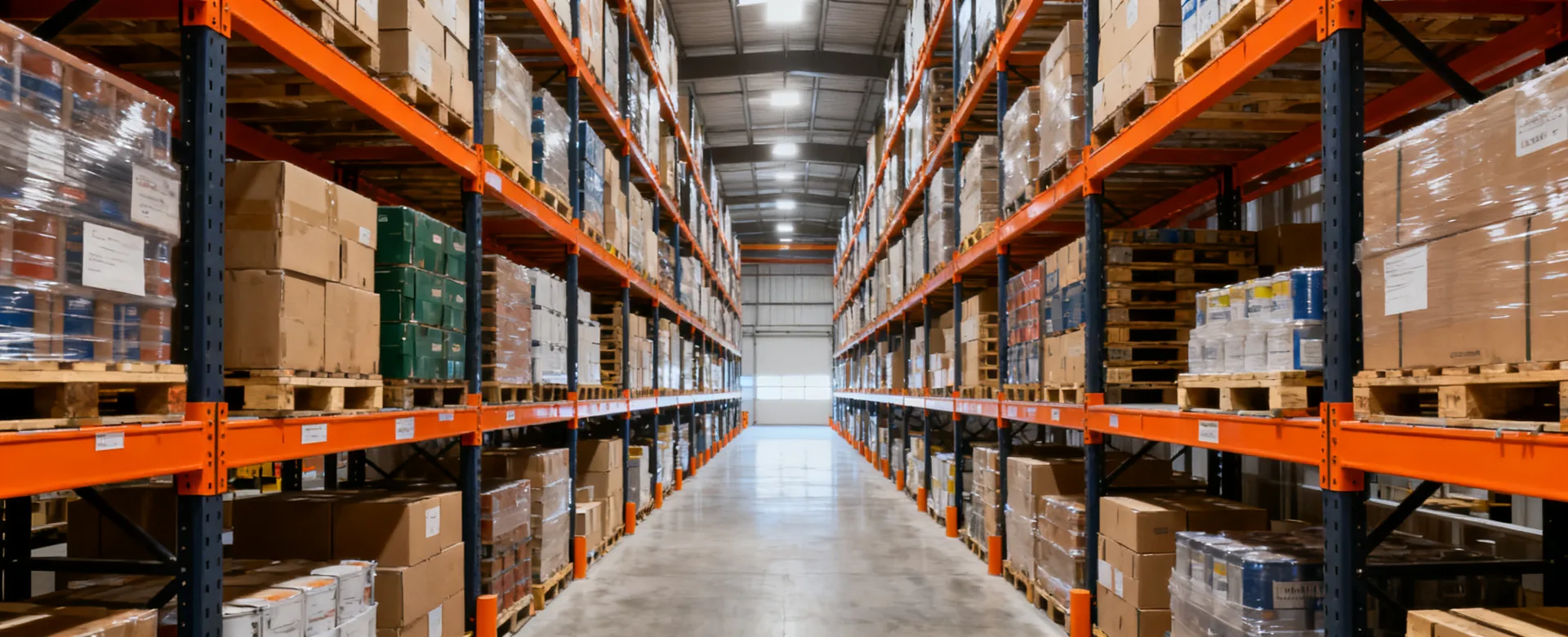
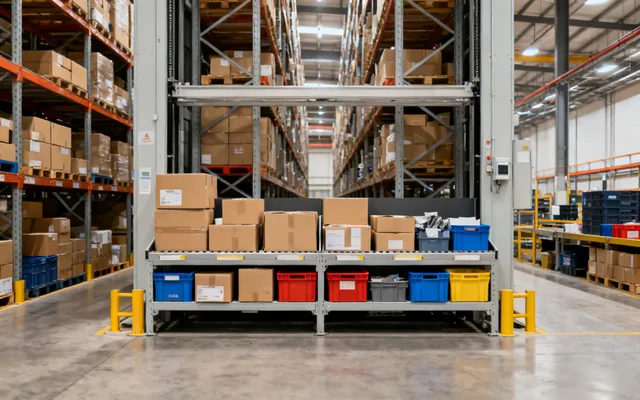
High-bay distribution center with Mecalux pallet racking
Industry operating profiles

Mecalux industries shaped by SKU depth and peak windows

Storage density, selectivity and automation boundaries only make sense when the vertical’s order profile, temperature band and exception patterns are written down first.

Vertical snapshots

How Mecalux reads each warehouse vertical before locking steel

Each card states the operating stress that usually forces a density-versus-access trade-off. Figures below are planning examples for conversation, not certified site results.

E-commerce fulfillment racking

E-commerce fulfillment

Very deep assortment and short cutoff waves push Mecalux to separate A/B/C SKU velocity before recommending shuttle density over selective rack. Pick rate claims must include replenishment overlap and no-read recovery capacity at the presentation face.
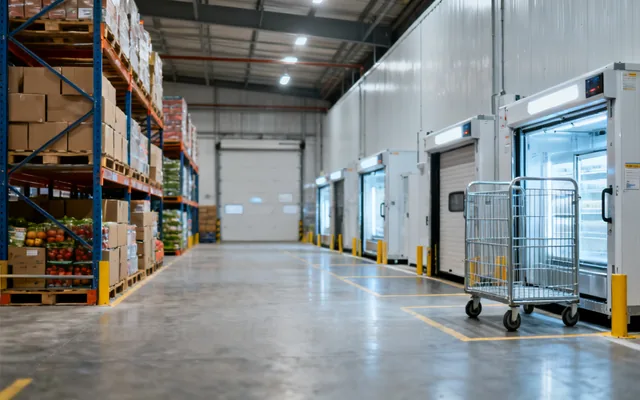
Grocery distribution multi-temp storage

Grocery distribution

Store-sequenced replenishment and multi-temp staging make aisle width and buffer occupancy part of the density model. Wave departure windows belong in the design rate statement, not as an afterthought.

Cold chain dense pallet storage

Cold chain storage

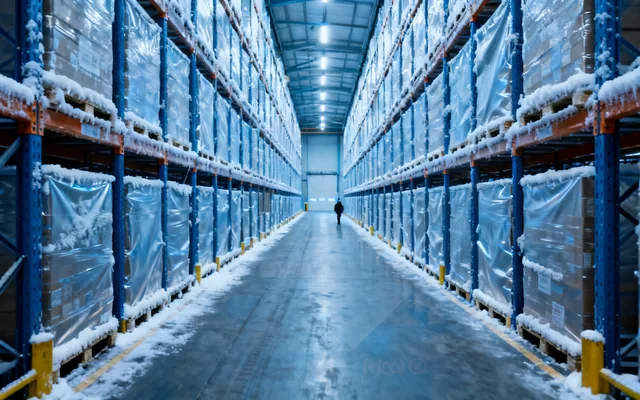
Temperature bands shrink intervention windows. Recovery paths and maintenance access must stay usable without breaking the cold envelope—inventory cube utilization that ignores door cycles is not operable.

Manufacturing line-side pallet staging

Manufacturing logistics

Kit-to-line programs force Mecalux to document which SKUs need direct selectivity versus which can sit deeper in shuttle lanes. Fixed automation versus flexible robotics is recorded against duty cycle, aisle geometry and the longest tolerable stop without starving production.

3PL multi-client pallet rack zones

3PL multi-client

Multi-tenant contracts need explicit slot ownership, shared fire-aisle rules and cutover calendars per client. Centralized WCS/WES versus modular controls is selected for failure isolation and chargeback clarity, not a default architecture slogan.

Wholesale distribution selective racking

Wholesale distribution

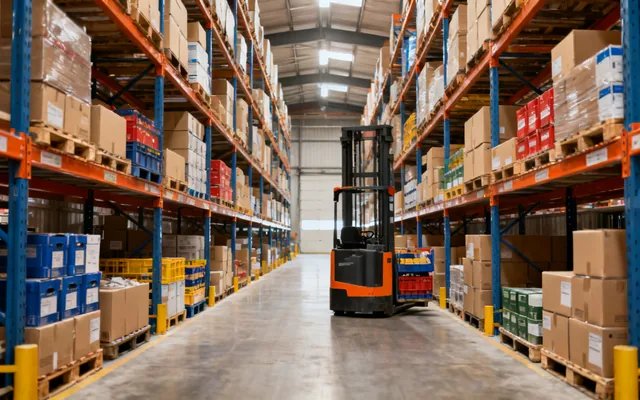
Mixed case and pallet picks stress beam deflection assumptions and load center rules. Selectivity often outweighs maximum density when SKU churn is high and recovery must stay local to one aisle.

5Primary verticals reviewed
4Profile dimensions compared
2Density vs access trade-offs named
1Acceptance method per project

Counters describe the review model on this page—not verified project totals.

Selection trade-offs

Two disputes Mecalux records before recommending density

These are not marketing debates. They change aisle width, residual capacity, fire access and the evidence required at SAT.

Storage density vs direct access

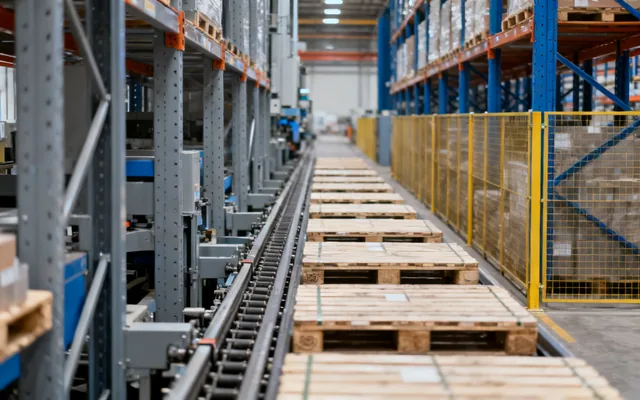
Maximum density reduces footprint when SKU velocity is stable and recovery can be staged by lane. Direct selectivity improves maintenance isolation and SKU flexibility when churn is high or damaged loads are frequent. Mecalux writes both sides with the fire aisle and mean-time-to-repair path that each choice implies.

Peak rate vs operational resilience

Peak throughput prioritizes design-rate cartons or pallets under a defined mix. Resilient flow keeps buffers, redundant paths and graceful degradation so a blocked destination does not empty the whole wave. The chosen balance must appear in the Design Rate statement and the recovery scripts.

Industry brief

Tell Mecalux which vertical and peak window you are planning

Share SKU depth, temperature band, pallet/tote mix and the exception patterns that usually stop your aisles. We reply with the measurement path—not a generic density claim.

Start an industry review

Your information is handled according to our Privacy Policy.